
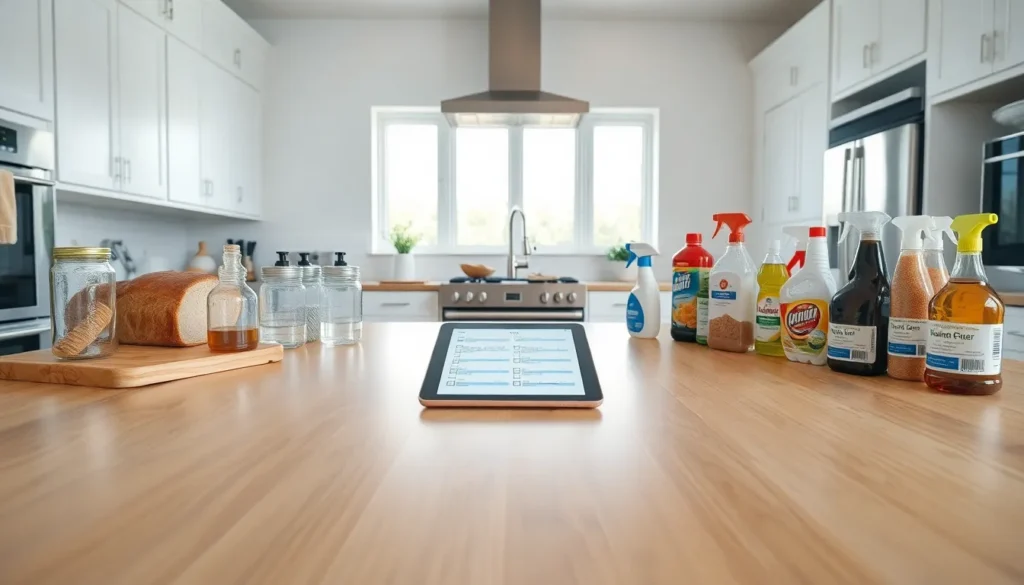
The make at home vs. store-bought debate shows up in kitchens, bathrooms, and laundry rooms across the country. Some people swear by DIY solutions for everything from bread to cleaning supplies. Others prefer the convenience of grabbing products off the shelf. Both approaches have clear advantages and drawbacks.
This article breaks down the key factors that determine which option works best. Cost, quality, time, and practicality all play a role. By the end, readers will have a clear framework for deciding when homemade wins, and when store-bought makes more sense.
Table of Contents
ToggleKey Takeaways
- The make at home vs. store-bought decision depends on cost, quality, time, and practicality—not a one-size-fits-all answer.
- Homemade products save money for frequent users, but upfront ingredient and equipment costs only pay off with repeated use.
- Making items at home gives complete control over ingredients, which is ideal for those with allergies, dietary restrictions, or health concerns.
- Store-bought products offer unmatched convenience and consistency, saving hours of preparation and eliminating the learning curve.
- Choose homemade when you use high volumes, need ingredient control, or enjoy the process—choose store-bought when time, expertise, or small quantities are factors.
- Smart consumers base the make at home vs. store-bought choice on their specific circumstances rather than ideology.
Cost Comparison: Homemade and Store-Bought Products
Money drives many make at home vs. store-bought decisions. At first glance, homemade products often seem cheaper. A closer look reveals a more complicated picture.
Homemade items typically cost less per unit once all supplies are purchased. A loaf of bread costs roughly $0.50 to $1.50 in ingredients. Store-bought bread ranges from $2 to $5. That’s a clear win for homemade, if someone bakes regularly.
The catch? Initial investments add up fast. Baking bread requires flour, yeast, salt, and sometimes specialty equipment. Making cleaning products means buying essential oils, vinegar, castile soap, and spray bottles. These upfront costs only pay off with repeated use.
Store-bought products spread manufacturing costs across millions of units. Companies buy ingredients in bulk at wholesale prices. They also absorb equipment, labor, and packaging expenses. This efficiency keeps many products surprisingly affordable.
Hidden Costs to Consider
The make at home vs. store-bought cost comparison must include hidden expenses. Homemade products require:
- Electricity or gas for cooking and heating
- Water usage
- Storage containers
- Potential ingredient waste from failed batches
Store-bought items come with their own hidden costs. Packaging waste contributes to environmental expenses. Transportation adds to carbon footprints. Premium brands charge significant markups for convenience.
The bottom line: Homemade products save money for frequent users. Occasional makers might spend more than they would at the store.
Quality and Ingredient Control
Quality differences often tip the make at home vs. store-bought scale. Homemade products offer complete control over what goes in. Store-bought items trade some of that control for consistency and shelf stability.
People who make products at home choose every ingredient. They can select organic produce, avoid allergens, and skip preservatives entirely. A homemade tomato sauce contains tomatoes, herbs, garlic, and olive oil, nothing else. The store-bought version might list twenty ingredients, including stabilizers and added sugars.
This control matters most for:
- People with food allergies or sensitivities
- Parents concerned about children’s exposure to additives
- Anyone avoiding specific ingredients for health reasons
- Those who prefer organic or locally sourced materials
The Freshness Factor
Freshness separates many homemade items from their store-bought counterparts. A fresh-baked cookie tastes different from one that sat in a package for weeks. Homemade skincare products contain active ingredients at peak potency.
Store-bought products prioritize shelf life. Preservatives extend product viability from days to months or years. This trade-off isn’t always bad, it reduces waste and ensures safety. But it does change the product.
Manufacturers also maintain strict quality control. Every jar of a popular pasta sauce tastes the same. Every bottle of laundry detergent performs consistently. Homemade batches vary based on technique, ingredient quality, and even the weather.
Time and Convenience Factors
Time represents the biggest trade-off in the make at home vs. store-bought equation. Homemade products demand hours. Store-bought items require a quick trip to the store or a few clicks online.
Consider the time investment for common homemade products:
- Sourdough bread: 24-48 hours (mostly waiting, but still committed)
- Homemade yogurt: 8-12 hours
- DIY laundry detergent: 30-60 minutes
- Fresh pasta: 1-2 hours
- Homemade candles: 2-4 hours
Store-bought versions of these products take minutes to acquire. That time difference adds up quickly for busy households.
The Learning Curve
Making products at home requires skill development. First attempts often fail. Bread comes out dense. Candles tunnel. Cleaning products don’t clean as well as expected. Each failure costs time, money, and sometimes frustration.
The make at home vs. store-bought decision should account for this learning period. Someone new to soap-making will invest significant time before producing quality results. An experienced maker completes the same task efficiently.
Convenience extends beyond time. Store-bought products come ready to use. Homemade items need preparation, cleanup, and storage planning. A store-bought cleaning spray sits under the sink indefinitely. A homemade version might separate, expire, or require shaking before each use.
When Making at Home Makes Sense
The make at home vs. store-bought choice clearly favors homemade in specific situations. Knowing when DIY wins helps people allocate their time wisely.
High-volume use justifies homemade. Families that eat bread daily save money and enjoy fresher loaves by baking at home. People who use large quantities of cleaning products benefit from making their own. The math works when consumption is high enough to offset time investment.
Dietary restrictions demand homemade. Store-bought options for people with multiple allergies or specific dietary needs are often expensive or unavailable. Making food at home ensures safety and saves money compared to specialty products.
Quality matters more than convenience. Some products simply taste or perform better when homemade. Fresh pasta beats dried pasta for special occasions. Homemade skincare products can deliver results that mass-produced alternatives can’t match.
The process brings joy. Baking bread or crafting candles provides satisfaction beyond the end product. People who enjoy making things should factor that enjoyment into their make at home vs. store-bought calculations. Hobbies have value.
When Store-Bought Is the Better Choice
Store-bought products win the make at home vs. store-bought debate in many common scenarios. Choosing them isn’t a failure, it’s smart resource management.
Time-pressed households benefit from store-bought. Working parents, students, and busy professionals often lack hours for DIY projects. Buying a product takes minutes. Making it takes hours. That time has value.
Technical products require expertise. Some items demand specialized knowledge or equipment. Canning vegetables incorrectly creates botulism risk. Formulating skincare products without proper knowledge can cause skin damage. Store-bought versions from reputable companies eliminate these risks.
Small quantities favor store-bought. Making a single batch of something often costs more than buying it. Homemade savings require scale. Someone who wants one candle should buy one, not invest in wax, wicks, fragrances, and containers.
Consistency matters for some applications. Bakers who need precise results rely on store-bought ingredients with consistent properties. Commercial yeast performs predictably. Store-bought vanilla extract delivers the same flavor every time.
The make at home vs. store-bought decision shouldn’t carry moral weight. Both options serve valid purposes. Smart consumers choose based on their specific circumstances, not ideology.

