
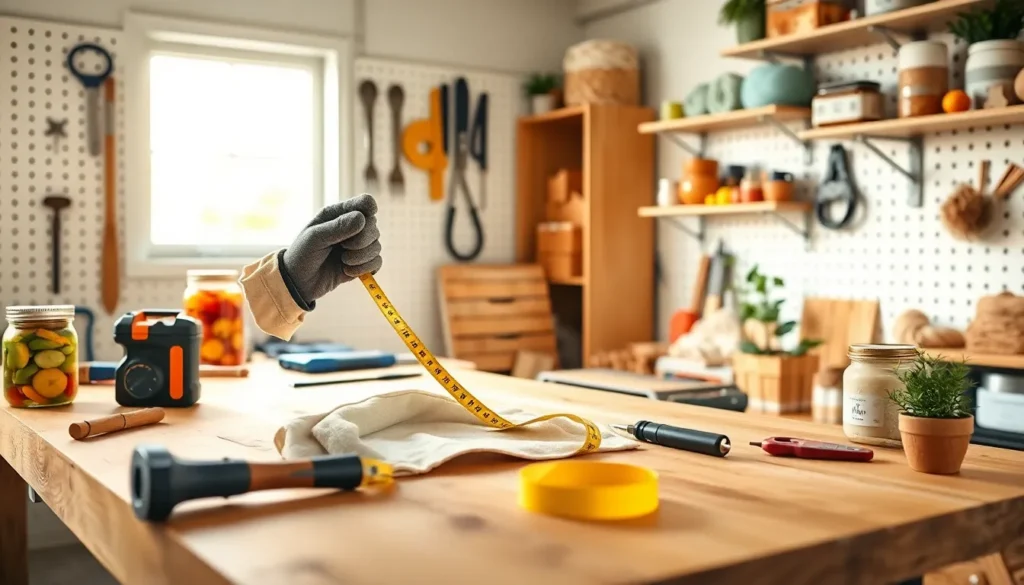
Make at home techniques have transformed how people approach everyday projects. From crafting custom gifts to preserving seasonal produce, DIY methods offer practical solutions that save money and build useful skills. Whether someone wants to fix a squeaky door, create handmade soap, or can fresh vegetables, the right techniques make these tasks achievable. This guide covers essential tools, popular crafting methods, food preservation basics, and home improvement tips. Readers will find straightforward approaches they can start using today.
Table of Contents
ToggleKey Takeaways
- Make at home techniques save money while building practical skills across crafting, cooking, and home improvement projects.
- Invest in quality basic tools like hammers, scissors, and safety equipment—they last longer and produce better results.
- Beginner-friendly crafts include candle making, melt-and-pour soap, and resin art, all achievable with minimal experience.
- Food preservation methods like canning, fermentation, and dehydration extend shelf life and create unique flavors at home.
- Always research thoroughly, measure carefully, and practice on scrap materials before starting any DIY project.
- Know your limits—call licensed professionals for electrical, gas, or structural work to ensure safety.
Essential Tools and Materials for Home Projects
Every successful DIY project starts with the right tools. A basic toolkit should include a hammer, screwdriver set, measuring tape, utility knife, and pliers. These items handle most household repairs and small projects.
For crafting, supplies vary by technique. Paper crafts require scissors, glue, and a cutting mat. Sewing projects need needles, thread, fabric scissors, and pins. Woodworking calls for a saw, sandpaper, wood glue, and clamps.
Quality matters more than quantity. A well-made hammer lasts decades. Cheap scissors dull quickly and frustrate users. Investing in durable basics pays off over time.
Organization helps too. Store tools in a designated spot. Label containers. Keep frequently used items within reach. This system reduces project time and prevents lost supplies.
Safety equipment deserves attention as well. Safety glasses protect eyes during cutting or drilling. Work gloves prevent blisters and cuts. A dust mask guards lungs when sanding or painting. These items cost little but prevent injuries.
Popular Crafting Techniques to Try at Home
Make at home techniques for crafting span dozens of categories. Some require minimal investment while others need specialized equipment.
Candle Making
Candle making uses wax, wicks, fragrance oils, and containers. Soy wax melts at low temperatures and works well for beginners. The process involves melting wax, adding scent, pouring into molds, and allowing cooling time. Most people create their first candle within an hour.
Soap Making
Melt-and-pour soap offers an easy entry point. Pre-made soap bases need only melting, adding color and fragrance, then pouring into molds. Cold-process soap requires more skill but allows complete customization of ingredients.
Knitting and Crocheting
These fiber arts produce scarves, blankets, hats, and clothing. Beginners can learn basic stitches from online tutorials. Yarn costs range from budget-friendly acrylics to luxury natural fibers.
Resin Art
Epoxy resin creates jewelry, coasters, and decorative pieces. The technique involves mixing resin with hardener, adding pigments or embedded objects, then pouring into molds. Proper ventilation and precise measurements ensure good results.
Food Preservation and Cooking Methods
Make at home techniques extend into the kitchen with preservation and cooking methods that have served families for generations.
Canning
Water bath canning preserves high-acid foods like tomatoes, pickles, and jams. Pressure canning handles low-acid foods including vegetables and meats. Both methods require proper equipment and strict adherence to tested recipes to ensure food safety.
Fermentation
Fermented foods include sauerkraut, kimchi, kombucha, and yogurt. This technique uses beneficial bacteria to transform ingredients. Most fermented foods need only salt, time, and temperature control. The results offer unique flavors and potential health benefits.
Dehydration
Food dehydrators remove moisture from fruits, vegetables, and meats. Dried foods store for months without refrigeration. Jerky, fruit leather, and dried herbs are popular choices. Sun drying works in hot, dry climates but takes longer.
Smoking and Curing
These techniques preserve meats while adding distinctive flavors. Cold smoking flavors food without cooking it. Hot smoking cooks and flavors simultaneously. Salt curing draws moisture from meat to extend shelf life.
Home Improvement Techniques for Beginners
Home improvement projects range from simple fixes to major renovations. Beginners should start small and build confidence gradually.
Painting
Interior painting refreshes rooms quickly. Proper preparation, cleaning walls, filling holes, taping edges, determines final quality. Two coats of paint usually provide even coverage. Quality brushes and rollers apply paint more smoothly than cheap alternatives.
Basic Plumbing
Replacing faucet washers, unclogging drains, and installing new showerheads require minimal skill. These make at home techniques save money on plumber calls. Shutting off water supply before starting prevents flooding accidents.
Tile Work
Small tile projects like backsplashes suit beginners. The process involves measuring, cutting tiles, applying adhesive, setting tiles, and grouting. Tile spacers ensure even gaps. A tile cutter or wet saw handles straight cuts.
Drywall Repair
Small holes need only spackle and sanding. Larger holes require patches. Joint compound builds up in thin layers, sanding between coats. Matching existing texture takes practice but improves with experience.
Tips for Successful DIY Projects
Successful make at home techniques share common principles that apply across categories.
Start with research. Watch tutorials, read instructions twice, and understand each step before beginning. Rushing into unfamiliar projects leads to mistakes and wasted materials.
Measure carefully. The old saying “measure twice, cut once” exists for good reason. Accurate measurements prevent costly errors in woodworking, sewing, and construction projects.
Practice on scrap materials first. Test paint colors on cardboard. Try stitches on fabric scraps. Cut practice tiles before working on the actual project. These trials build skill without risk.
Accept imperfection. Handmade items carry character that factory products lack. Minor flaws add authenticity. Perfectionism stalls progress and discourages beginners.
Document the process. Photos help track progress and identify problems. Notes about what worked, and what didn’t, improve future attempts. This record becomes a personal reference guide.
Know when to call professionals. Some projects require licensed contractors for safety or legal reasons. Electrical work, gas lines, and structural changes often fall into this category.

