
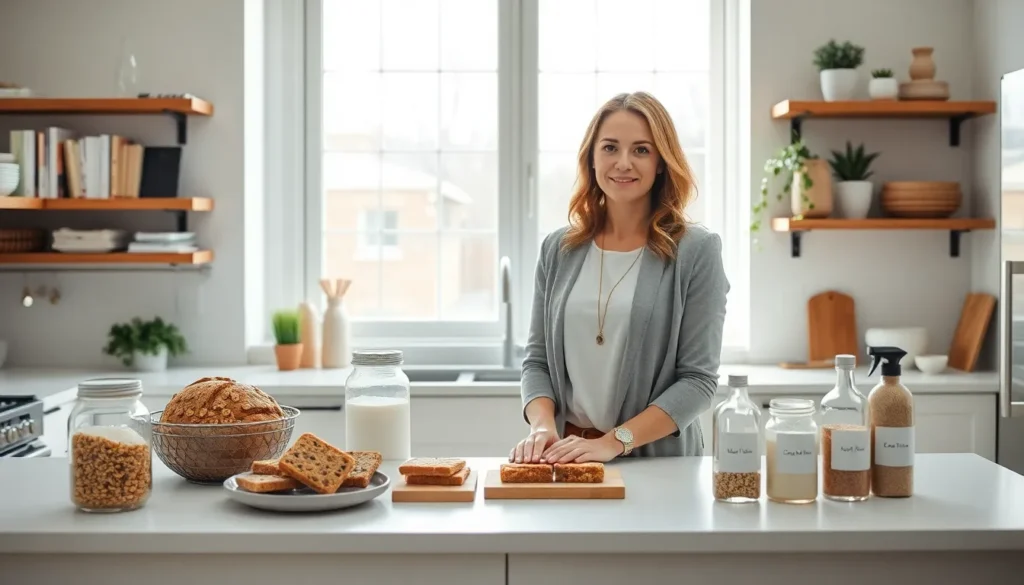
Make at home strategies offer a practical path to saving money while building useful skills. Every year, households spend thousands on products they could easily create themselves. From kitchen staples to cleaning supplies, the opportunities are everywhere.
The shift toward homemade alternatives isn’t just about cutting costs. It gives people control over ingredients, reduces waste, and sparks creativity. Whether someone wants to bake their own bread or mix their own cleaners, these strategies work for beginners and experienced makers alike.
This guide covers proven make at home strategies across multiple categories. Readers will find actionable tips for the kitchen, cleaning routines, home improvement, and building lasting habits.
Table of Contents
ToggleKey Takeaways
- Make at home strategies help households save thousands annually on food, cleaning products, and home improvement projects.
- DIY kitchen staples like bread, sauces, and snacks cost a fraction of store-bought versions while offering better ingredient control.
- Homemade cleaning products using vinegar, baking soda, and essential oils can reduce costs from 20-30 cents per use to just 3 cents.
- Simple home repairs and refinishing projects build confidence and eliminate expensive professional service fees.
- Start small with one project per week, track your savings, and keep essential supplies stocked to maintain long-term success.
- Families who adopt make at home strategies gain environmental benefits, practical skills, and a genuine sense of accomplishment.
Why Making Things at Home Matters
Making things at home delivers benefits that extend far beyond the wallet. The average American family spends over $12,000 annually on food alone. A significant portion goes to convenience items and pre-made products that cost a fraction to produce at home.
Make at home strategies put people back in the driver’s seat. They decide what goes into their products. No mystery chemicals. No excessive packaging. No middleman markup.
The environmental impact matters too. Store-bought items travel hundreds or thousands of miles before reaching shelves. They come wrapped in plastic, packed in boxes, and shipped in trucks. Homemade alternatives skip most of that footprint.
There’s also the satisfaction factor. Finishing a batch of homemade pasta or a gallon of laundry detergent creates a genuine sense of accomplishment. That feeling builds confidence and encourages more projects.
Kids benefit when families adopt make at home strategies. They learn practical skills, develop patience, and understand where everyday items actually come from. These lessons stick with them for life.
Essential DIY Kitchen Strategies
The kitchen offers the biggest opportunities for make at home strategies. Food costs eat up a huge chunk of household budgets, and small changes add up fast.
Bread and Baked Goods
A loaf of artisan bread costs $5 to $7 at most stores. The ingredients, flour, water, yeast, and salt, run about 50 cents per loaf. Basic bread requires no special equipment. A mixing bowl, an oven, and a few hours of patience do the job.
Muffins, cookies, and pancake mix follow the same pattern. Pre-made versions charge premium prices for simple ingredient combinations.
Sauces and Condiments
Mayonnaise takes five minutes to make. Salad dressings take even less. Pasta sauce from canned tomatoes beats jarred versions in taste and cost. These make at home strategies work because the store-bought versions contain mostly cheap ingredients with hefty markups.
Snacks and Convenience Foods
Granola bars, trail mix, and energy bites cost pennies to assemble at home. They taste better and skip the preservatives. Families can customize flavors and control sugar content.
Meal Prep Basics
Batch cooking transforms make at home strategies into weekly routines. Cooking large portions of rice, beans, and proteins on Sunday saves hours during busy weekdays. Freezer meals eliminate the temptation of expensive takeout on exhausting nights.
Home Cleaning and Personal Care Products
Cleaning products represent another goldmine for make at home strategies. Most commercial cleaners contain the same few active ingredients diluted with water and scented with fragrance.
All-Purpose Cleaners
White vinegar and water create an effective all-purpose cleaner. Adding a few drops of essential oil improves the smell. This combination handles countertops, glass, and most hard surfaces. A gallon costs under a dollar to make.
Laundry Solutions
Homemade laundry detergent uses washing soda, borax, and bar soap. One batch produces enough detergent for months of loads. The cost per load drops from 20-30 cents to about 3 cents.
Fabric softener alternatives include white vinegar in the rinse cycle or wool dryer balls that last for years.
Personal Care Items
Make at home strategies extend to personal care products. Sugar scrubs require sugar, oil, and optional fragrance. Lip balm needs beeswax, coconut oil, and a few minutes of melting and pouring.
Deodorant, toothpaste, and lotion recipes exist for those ready to go further. Each product removes another recurring expense from the budget.
The Safety Advantage
Homemade products let people avoid chemicals they’d rather skip. Families with allergies or sensitivities gain control over every ingredient that touches their skin or enters their homes.
Budget-Friendly Home Improvement Projects
Make at home strategies apply to home improvement too. Many projects that seem intimidating actually require basic tools and a willingness to learn.
Painting and Refinishing
Painting a room costs a fraction of hiring professionals. Quality brushes, painter’s tape, and decent paint deliver results that rival the pros. YouTube tutorials walk beginners through every step.
Furniture refinishing breathes new life into worn pieces. Sanding, staining, and sealing transform thrift store finds into statement pieces.
Simple Repairs
Fixing a running toilet saves $150 in plumber fees. Replacing a light switch costs $5 in parts versus $75 for an electrician visit. These make at home strategies build confidence for bigger projects.
Decor and Organization
Shelving, picture frames, and storage solutions come together with basic lumber and hardware. Custom sizes fit spaces perfectly, something store-bought options rarely achieve.
Plant propagation fills homes with greenery at zero cost. One healthy plant produces dozens of cuttings over time.
Outdoor Projects
Raised garden beds, compost bins, and patio furniture make excellent weekend projects. The savings compound when those garden beds start producing vegetables.
Tips for Staying Consistent With Your Make at Home Habits
Starting make at home strategies is easy. Sticking with them takes intention. Here’s how successful makers maintain momentum.
Start Small
Picking one project per week prevents burnout. Mastering bread before attempting cheese makes sense. Early wins build the motivation for harder challenges.
Schedule Production Time
Treating make at home time like an appointment ensures it happens. Sunday afternoons work well for batch cooking. Saturday mornings suit cleaning product preparation.
Track the Savings
Keeping a simple log of money saved reinforces the habit. Watching those numbers grow provides concrete motivation. Some families redirect savings toward vacations or debt payoff.
Build a Community
Finding others who practice make at home strategies creates accountability. Online groups, local workshops, and friends who share interests keep the momentum going. Trading tips and recipes adds variety.
Accept Imperfection
First attempts rarely match store-bought quality. That’s fine. Skills improve with practice. The bread that comes out dense today becomes crusty and perfect in a few weeks.
Stock Essential Supplies
Keeping flour, vinegar, baking soda, and other staples on hand removes friction. Running out of ingredients kills momentum faster than anything else.

