
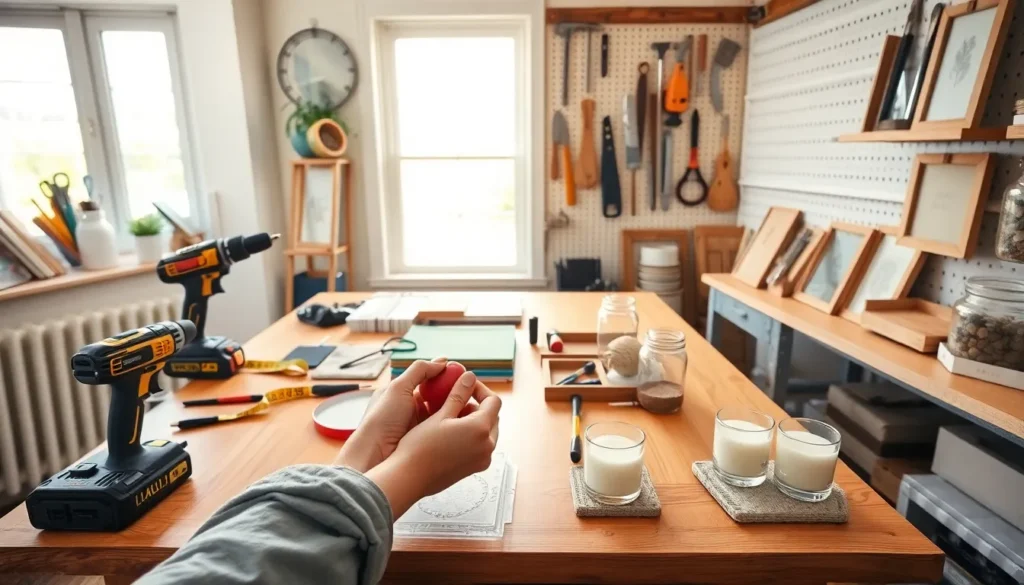
A solid make at home guide transforms ordinary weekends into productive, creative sessions. Whether someone wants to build a bookshelf, craft handmade candles, or finally tackle that kitchen organization project, the right approach makes all the difference. This guide covers everything from essential tools to project ideas for beginners and intermediate makers. By the end, readers will have a clear roadmap to start creating, no prior experience required.
Table of Contents
ToggleKey Takeaways
- A make at home guide helps transform weekends into productive, creative sessions—no prior experience required.
- Essential tools like a cordless drill, hammer, and tape measure form the foundation for most DIY projects.
- Beginner-friendly projects such as custom picture frames, homemade candles, and painted furniture build confidence quickly.
- Intermediate projects like floating shelves and refinished furniture deliver impressive results worth showcasing or selling.
- Watching tutorial videos before starting any project significantly improves success rates and reduces mistakes.
- Accept small imperfections—handmade items carry unique character that mass-produced goods can’t replicate.
Essential Tools And Supplies To Get Started
Every successful make at home project begins with the right tools. Stocking a basic toolkit saves time and prevents frustrating mid-project supply runs.
Basic Hand Tools
A quality hammer, screwdriver set, and tape measure form the foundation. These three items handle most household projects. Add a utility knife, pliers, and an adjustable wrench to round out the essentials.
For crafting and smaller projects, sharp scissors, a cutting mat, and a hot glue gun prove invaluable. Precision matters here, dull scissors ruin fabric and paper projects fast.
Power Tools Worth The Investment
A cordless drill tops the list for home makers. It drives screws, drills holes, and handles countless tasks. Most quality models cost between $50 and $150 and last for years.
A jigsaw opens up woodworking possibilities without requiring extensive training. It cuts curves and straight lines in wood, plastic, and thin metal.
Supplies To Keep Stocked
Sandpaper in various grits (80, 120, 220) prepares surfaces for paint and finish. Wood glue, painter’s tape, and a level belong in every home workshop.
Craft enthusiasts should maintain supplies of fabric, yarn, paint, and adhesives. Buying these items in bulk during sales reduces long-term costs.
Organization matters too. A simple toolbox or pegboard system keeps everything accessible. Nothing kills creative momentum like searching for a missing screwdriver.
Beginner-Friendly Projects To Try First
Starting with achievable projects builds confidence and skills. This make at home guide recommends beginning with these low-risk, high-reward ideas.
Custom Picture Frames
Building a basic picture frame requires only four pieces of wood, wood glue, and a backing material. Miter cuts create professional-looking corners, but even simple butt joints work for rustic styles. Total cost runs about $10-15, compared to $30+ for store-bought frames.
Homemade Candles
Candle making requires wax, wicks, fragrance oils, and containers. The process takes under an hour from start to finish. Beginners can produce professional-quality candles on their first attempt. A $30 starter kit yields 8-10 candles.
Painted Furniture Refresh
Transforming old furniture with paint delivers dramatic results. Sand the surface lightly, apply primer, then add two coats of paint. A $20 investment in supplies can refresh a worn dresser or table.
Mason Jar Organizers
Mounting mason jars on wood boards creates attractive bathroom or kitchen storage. This project requires only screws, hose clamps, and a piece of reclaimed wood. Completion time: about 30 minutes.
Fabric Coasters
Sewing simple fabric coasters teaches basic stitching skills. Cut two 4-inch squares, sew three sides, flip inside out, and close the final edge. Even hand-stitching works well for this project.
These beginner projects in any make at home guide share common traits: minimal tool requirements, forgiving materials, and quick completion times. Success here motivates people to tackle bigger challenges.
Intermediate Crafts And DIY Ideas
Once basic skills develop, intermediate projects offer greater satisfaction and more impressive results. This section of the make at home guide targets those ready to level up.
Floating Shelves
Floating shelves hide their mounting hardware for a clean look. The project involves building a simple box frame, mounting a cleat to the wall, and sliding the shelf over it. Materials cost around $25-40 per shelf.
Precise leveling matters here. Use a long level and double-check measurements before drilling into walls.
Macramé Plant Hangers
Macramé uses knotting techniques to create decorative hangers. Learning three basic knots, the spiral, square, and gathering knot, enables endless design variations. Cotton cord and a metal ring are the only supplies needed.
A standard plant hanger takes 2-3 hours to complete. The meditative, repetitive process appeals to many crafters.
Refinished Furniture
Stripping and refinishing furniture requires more time but produces stunning results. The process involves chemical strippers or sanding, wood stain application, and protective finish coats.
A weekend project can transform a $50 thrift store find into a $300-looking piece. Patience during drying times between coats determines the final quality.
Concrete Planters
Molding concrete planters uses plastic containers as forms. Mix concrete, pour into the outer mold, insert a smaller container for the cavity, and wait 24-48 hours. Sanding the edges creates smooth finishes.
These intermediate make at home projects demand more patience and precision. They also deliver results that genuinely impress visitors and could even sell at craft markets.
Tips For Success With Any Home Project
Following a make at home guide works best when combined with proven strategies that prevent common mistakes.
Measure Twice, Cut Once
This old saying persists because it’s true. Rushing measurements causes waste and frustration. Keep a pencil behind the ear and mark everything clearly before cutting.
Start With Quality Materials
Cheap materials create cheap results. This doesn’t mean buying the most expensive options, it means avoiding warped wood, low-quality fabric, or watered-down paint. Mid-range supplies typically offer the best value.
Watch Tutorial Videos First
Reading instructions helps. Watching someone perform each step helps more. YouTube offers free tutorials for virtually every make at home project imaginable. Spend 15 minutes watching before starting.
Accept Imperfection
Handmade items carry character that mass-produced goods lack. Small imperfections often add charm rather than detract from the finished piece. Perfectionism kills more projects than lack of skill.
Clean As You Go
Maintaining a tidy workspace prevents accidents and lost tools. Wipe up spills immediately. Return tools to their spots after each use. This habit saves hours of cleanup later.
Document Progress
Taking photos during projects helps troubleshoot problems and track improvement over time. These images also make great social media content for those who enjoy sharing their work.
Know When To Stop
Fatigue leads to mistakes. If frustration builds or focus fades, step away. Fresh eyes often spot solutions that tired minds miss.

