
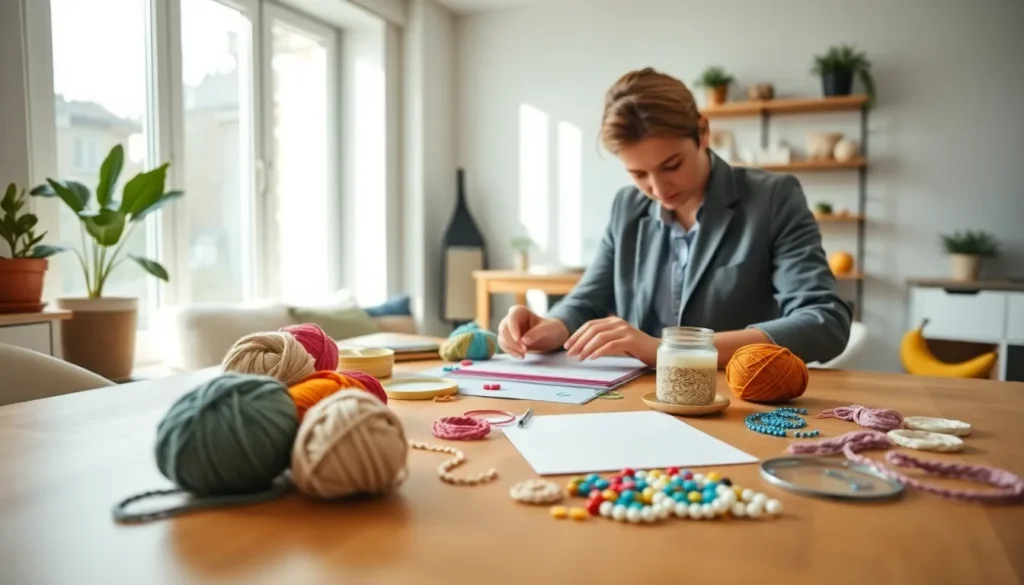
Starting something new feels exciting, and a little intimidating. Make at home projects offer beginners a perfect entry point into creative hobbies. These activities require minimal experience, basic supplies, and just a few hours of free time.
Whether someone wants to craft handmade gifts, cook a meal from scratch, or transform their living space, beginner-friendly projects build confidence quickly. The best part? Mistakes become learning opportunities, not failures. This guide covers simple crafts, easy recipes, DIY décor ideas, and practical tips to help anyone succeed with their first make at home project.
Table of Contents
ToggleKey Takeaways
- Make at home projects for beginners require minimal experience, basic supplies, and just a few hours of free time to complete.
- Simple crafts like origami, candle making, and beaded jewelry build foundational skills while producing satisfying, tangible results.
- Beginner-friendly recipes such as no-bake treats, banana bread, and one-pot pasta dishes help build kitchen confidence progressively.
- DIY home décor projects like abstract canvas painting and succulent planters cost a fraction of retail prices and create unique pieces.
- Start with projects you can finish in one sitting, read all instructions beforehand, and embrace imperfection as part of the learning process.
- Join online communities and watch YouTube tutorials to get visual guidance, tips, and encouragement for your make at home journey.
Simple Crafts to Start With
Crafting provides an excellent starting point for anyone new to make at home projects. These activities build foundational skills while producing satisfying results.
Paper Crafts
Origami requires nothing but paper and patience. Beginners can fold simple cranes, boxes, or bookmarks in under 30 minutes. Greeting cards represent another low-barrier option, a few sheets of cardstock, some markers, and creativity produce personalized gifts.
Yarn Projects
Finger knitting eliminates the intimidation factor of traditional needles. This technique creates scarves, headbands, and simple blankets. Pom-pom making offers even faster gratification. A piece of cardboard and yarn produce colorful decorations in minutes.
Candle Making
Soy candle kits come with pre-measured wax, wicks, and containers. Beginners melt the wax, add fragrance, pour it into jars, and wait. The entire process takes about an hour, and the results look professional.
Jewelry Making
Beaded bracelets require only elastic cord and beads from any craft store. String patterns emerge naturally as skills develop. Friendship bracelets made from embroidery floss cost pennies and teach basic knotting techniques.
These crafts share common traits: affordable materials, forgiving processes, and quick completion times. They let beginners experience the satisfaction of creating something tangible without overwhelming commitment.
Beginner-Friendly Recipes to Try
The kitchen offers endless opportunities to make at home something delicious. These recipes require basic ingredients and straightforward techniques.
No-Bake Treats
Energy balls combine oats, nut butter, honey, and chocolate chips. Mix everything in a bowl, roll into balls, and refrigerate. No oven required. Rice crispy treats follow a similar pattern, melt butter and marshmallows, stir in cereal, press into a pan, done.
Simple Baked Goods
Banana bread uses overripe bananas most people would throw away. The batter comes together in one bowl, and the oven does the rest. Muffins offer portion control and variety, swap blueberries for chocolate chips or add nuts for texture.
One-Pot Meals
Pasta dishes shine for beginners. Boil noodles, sauté garlic in olive oil, toss everything together with parmesan. Soups follow a simple formula: sauté aromatics, add liquid and vegetables, simmer until tender. A basic vegetable soup takes about 30 minutes from start to finish.
Homemade Basics
Salad dressings require three ingredients: oil, acid (like vinegar or lemon juice), and seasonings. Shake them in a jar. Homemade hummus needs chickpeas, tahini, lemon juice, garlic, and a blender. These basics taste fresher than store-bought versions and cost less.
Cooking at home builds skills progressively. Each successful recipe increases confidence for the next challenge.
DIY Home Décor Ideas
Home décor projects let beginners make at home items that transform living spaces. These ideas produce impressive results without advanced skills.
Wall Art
Abstract canvas painting requires no artistic training. Choose two or three colors, apply them with brushes or sponges, and create texture. The abstract style means there’s no “wrong” outcome. Pressed flower frames preserve garden blooms behind glass for natural, elegant wall pieces.
Plant Projects
Succulents thrive on neglect, making them perfect for beginners. Plant them in teacups, mason jars, or painted pots for instant décor. Terrariums layer rocks, charcoal, soil, and plants in glass containers. They create miniature gardens that require watering only every few weeks.
Textile Updates
Tie-dye techniques work on plain white pillowcases, curtains, or tablecloths. Rubber bands and fabric dye create professional-looking patterns. No-sew pillow covers use fabric glue to wrap cushions in new patterns without threading a needle.
Repurposing Projects
Mason jar organizers hold bathroom supplies, kitchen utensils, or office items. Paint them, add labels, done. Old picture frames become serving trays with added handles and decorative paper beneath the glass.
These make at home décor projects cost a fraction of retail prices. They also create unique pieces no one else owns.
Essential Tools and Supplies
Starting any make at home project goes smoother with the right supplies. This list covers basics that work across multiple project types.
Crafting Essentials
- Sharp scissors (invest in a quality pair)
- Craft glue and a hot glue gun
- Ruler and cutting mat
- Basic paint set with brushes
- Assorted papers and cardstock
Kitchen Basics
- Mixing bowls in various sizes
- Measuring cups and spoons
- A reliable baking sheet
- Wooden spoons and spatulas
- One good chef’s knife
DIY Home Supplies
- Painter’s tape for clean edges
- Sandpaper in multiple grits
- Basic paintbrushes
- Drop cloths or old sheets
- A cordless drill (optional but useful)
Where to Shop
Dollar stores stock surprisingly good craft supplies. Thrift stores provide items to upcycle. Hardware stores offer better prices on tools than craft retailers. Online marketplaces sell bulk supplies at discounts.
Beginners don’t need everything at once. Start with supplies for one specific project. Build the collection over time as interests develop. Quality matters more than quantity, a few good tools outperform a drawer full of cheap ones.
Tips for Success on Your First Project
Every successful make at home project shares certain elements. These tips help beginners avoid common pitfalls.
Start Small
Choose projects that finish in one sitting. Completion builds momentum. Abandoned half-finished projects kill enthusiasm. A simple candle beats an unfinished quilt every time.
Read Instructions Completely
Skim the entire tutorial before starting. Surprises mid-project cause problems. Note any special techniques or drying times. Prepare all materials before beginning.
Accept Imperfection
First attempts rarely match Pinterest photos. That’s normal. Handmade items carry character through their small variations. Embrace the learning process rather than expecting perfection.
Document Progress
Take photos throughout the project. These images show improvement over time and help troubleshoot future attempts. Share successes on social media for encouragement from friends.
Learn From Mistakes
Something will go wrong. The glue won’t hold, the recipe won’t rise, the paint will drip. Note what happened and why. This information makes the next attempt better.
Join a Community
Online groups exist for every hobby imaginable. Members share tips, answer questions, and celebrate wins. YouTube tutorials provide visual guidance that written instructions can’t match.
Patience matters most. Skills develop through practice, not perfection. Each make at home project teaches something new.

