
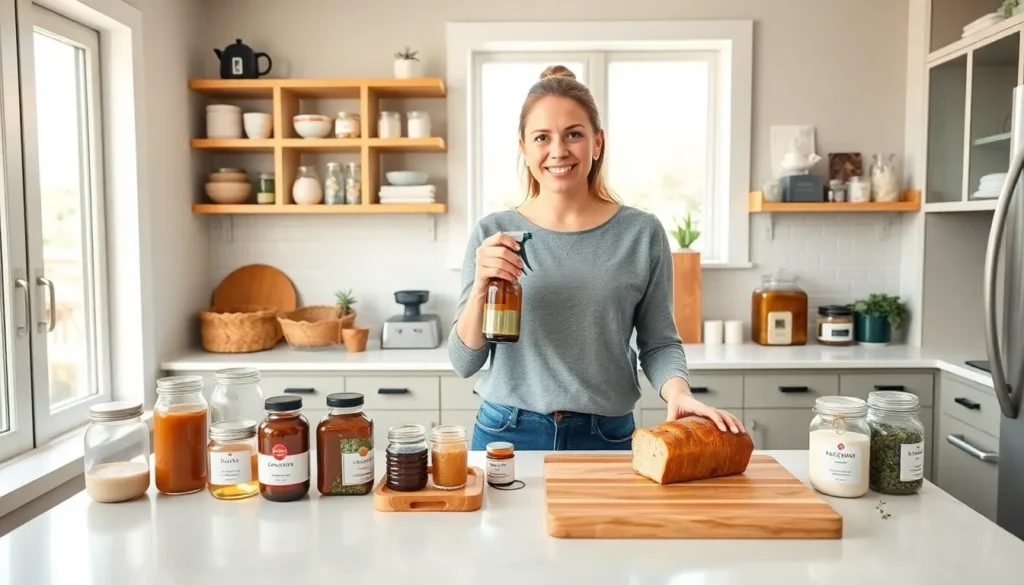
Learning how to make at home opens doors to creativity, savings, and satisfaction. Whether someone wants to craft cleaning products, cook fresh meals, or build simple projects, the possibilities are endless. Homemade creations give people control over ingredients, quality, and cost. This guide covers everything needed to start making things at home, from essential tools to popular projects anyone can tackle. By the end, readers will have practical knowledge to begin their own DIY journey with confidence.
Table of Contents
ToggleKey Takeaways
- Learning how to make at home saves money, gives you control over ingredients, and provides genuine satisfaction from creating things yourself.
- Start with basic tools you likely already own—measuring cups, mixing bowls, spray bottles, and mason jars cover most beginner projects.
- Easy homemade food projects include no-knead bread, kombucha, and fresh condiments like salsa and salad dressings.
- DIY cleaning products like all-purpose cleaner (vinegar and water) and laundry detergent cost a fraction of store-bought alternatives.
- Always follow proven recipes, measure accurately, and label everything you make at home with dates and contents.
- Accept imperfection in early attempts—skills improve with practice, and homemade “flaws” rarely affect how well products work.
Why Making Things at Home Is Worth Your Time
Making things at home delivers real benefits that store-bought items simply can’t match. First, there’s the cost savings. A batch of homemade laundry detergent costs roughly $0.05 per load compared to $0.20 or more for commercial brands. Multiply that across dozens of products, and the savings add up fast.
Beyond money, people gain control over what goes into their products. Commercial items often contain preservatives, artificial colors, and chemicals that many prefer to avoid. When someone decides to make at home, they choose every single ingredient. Parents especially appreciate this when creating food or personal care items for their families.
There’s also the satisfaction factor. Finishing a homemade project creates a sense of accomplishment that clicking “buy now” never will. Studies show that creating things with our hands reduces stress and improves mental well-being. It’s why hobbies like baking, crafting, and woodworking remain popular even though busy modern schedules.
Finally, homemade items make meaningful gifts. A jar of homemade jam or a hand-poured candle carries more thought than something grabbed off a shelf. Recipients notice the effort, and gift-givers feel proud of what they’ve created.
Essential Tools and Supplies for Home Projects
Starting to make at home doesn’t require expensive equipment. Most projects use items already sitting in kitchen cabinets or garage shelves. But, having the right basics makes everything easier.
Kitchen Projects:
- Measuring cups and spoons
- Mixing bowls in various sizes
- A quality blender or food processor
- Mason jars for storage
- A digital kitchen scale for precision
Cleaning and Personal Care Products:
- Spray bottles (glass works best for essential oils)
- Funnels for transferring liquids
- Labels and markers
- Basic ingredients: white vinegar, baking soda, castile soap, essential oils
General Crafting:
- Sharp scissors
- Measuring tape
- Basic hand tools (screwdrivers, pliers, hammer)
- Hot glue gun
- Storage containers for organizing supplies
The key is starting simple. Nobody needs a professional setup to make at home successfully. Buy supplies as projects require them rather than stockpiling items that might never get used. Many dollar stores carry basics like spray bottles, measuring tools, and storage containers at low prices.
One smart tip: keep a dedicated space for home projects. Even a single drawer or shelf helps. Having supplies organized and accessible makes starting new projects much easier.
Popular Things You Can Easily Make at Home
Some homemade projects require years of practice. Others take 15 minutes and produce excellent results. The following categories offer accessible starting points for anyone wanting to make at home.
Homemade Food and Beverages
Food projects deliver immediate rewards, literally something delicious to eat or drink.
Bread tops the list of satisfying homemade foods. Basic bread requires just flour, water, yeast, and salt. The process teaches patience, and the smell of fresh bread fills an entire house. No-knead recipes make this project approachable for complete beginners.
Fermented beverages like kombucha have exploded in popularity. Store-bought kombucha costs $4-5 per bottle. A homemade gallon costs under $2 and produces the same probiotic benefits. The process involves tea, sugar, and a SCOBY culture, surprisingly simple once someone tries it.
Condiments offer another easy win. Homemade mayonnaise, salad dressings, and hot sauce taste fresher than store versions. Most come together in under 10 minutes. Homemade salsa, for example, requires just tomatoes, onion, cilantro, lime, and salt blended together.
DIY Cleaning and Personal Care Products
Cleaning products rank among the easiest things to make at home. The ingredients are cheap, the recipes are forgiving, and the results work as well as commercial alternatives.
All-purpose cleaner combines one part white vinegar with one part water in a spray bottle. Add a few drops of essential oil for scent. This simple mixture handles countertops, glass, and most hard surfaces effectively.
Laundry detergent requires grated bar soap, washing soda, and borax. One batch lasts months and costs a fraction of store-bought options. Many families report their clothes smell cleaner and feel softer after switching.
Personal care products include lip balm, lotion bars, and sugar scrubs. Lip balm needs just beeswax, coconut oil, and a flavor oil. Melt, pour into tubes, and let cool. The whole process takes 20 minutes and produces gifts or personal supplies that last months.
Candles fall into this category too. Soy wax, wicks, and fragrance oils create custom candles at half the cost of boutique versions. People can choose their own scent combinations and container styles.
Tips for Success With Your Homemade Creations
Experience teaches lessons that recipes alone can’t provide. These tips help anyone make at home more successfully from the start.
Start with proven recipes. The internet contains millions of DIY tutorials, but quality varies wildly. Look for recipes with multiple positive reviews and clear instructions. Blogs that specialize in a particular niche (like soap-making or fermentation) typically offer more reliable guidance than general lifestyle sites.
Read the entire recipe first. This sounds obvious, but many people skip ahead and miss critical steps. Understanding the full process prevents surprises halfway through a project.
Measure accurately. Cooking allows flexibility. Cleaning products and personal care items often don’t. Too much essential oil makes a product irritating. Too little preservative shortens shelf life. When learning to make at home, precision matters.
Label everything. Write the date, contents, and any relevant notes on homemade products. Memory fades faster than people expect. Labels prevent confusion and help track which recipes work best.
Accept imperfection. First attempts rarely match Pinterest photos. Homemade bread might look lumpy. Candles might have air bubbles. These “flaws” don’t affect function, and skills improve with practice. The goal is progress, not perfection.
Document what works. Keep notes on successful projects. Record any changes made to recipes. This personal reference becomes valuable as the collection of homemade items grows.
Know when to scale up. Once a recipe works consistently, making larger batches saves time. Cleaning products especially benefit from this approach, mix a bigger quantity once rather than making small amounts repeatedly.

