
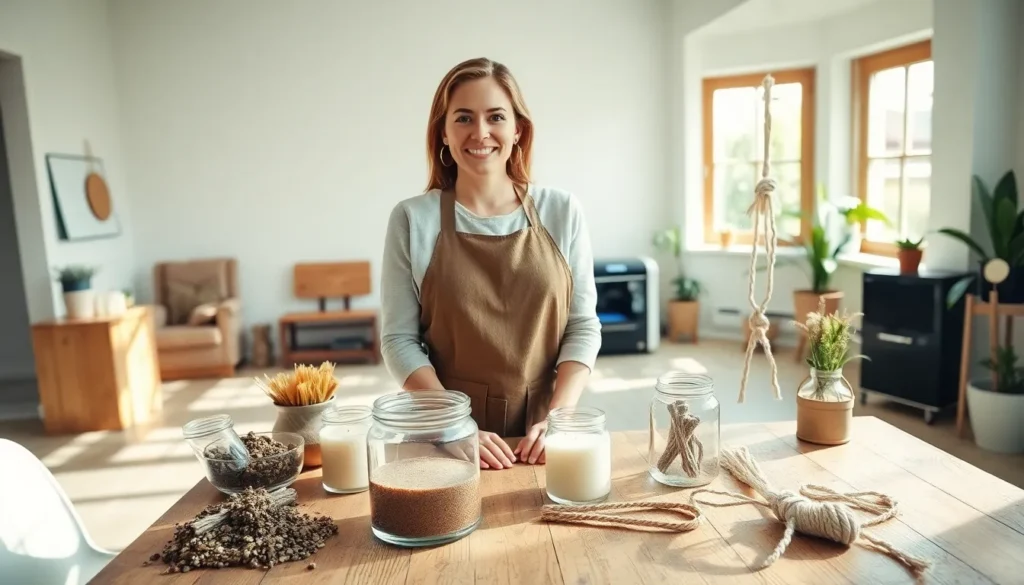
Make at home trends 2026 reflect a shift in how people spend their time and money. DIY culture has grown beyond simple crafts into a full lifestyle movement. People want to create things with their hands, save money, and reduce waste. This year brings fresh ideas that blend creativity with practicality.
The make at home trends 2026 list includes sustainable crafting, tech-assisted projects, wellness creations, scratch cooking, and personalized decor. Each trend responds to real needs, budget pressures, environmental concerns, and a desire for meaningful activities. Here’s what’s driving DIY culture forward this year.
Table of Contents
ToggleKey Takeaways
- Make at home trends 2026 focus on five key areas: sustainable crafting, tech-assisted DIY, wellness creations, scratch cooking, and personalized decor.
- Upcycling and sustainable crafting have gone mainstream, helping people save money while reducing environmental impact.
- Affordable tech tools like laser cutters and 3D printers now make complex DIY projects accessible to beginners at home.
- Wellness-focused creations like homemade skincare, candles, and herbal products offer mental health benefits alongside practical results.
- From-scratch cooking and fermentation projects—including sourdough, kombucha, and homemade pasta—connect people to food traditions while stretching budgets.
- Personalized handmade gifts and home decor carry more emotional value than mass-produced items and can even turn into small business opportunities.
Sustainable Crafting and Upcycling
Sustainability sits at the top of make at home trends 2026. People want to create without adding to landfills. Upcycling has moved from niche hobby to mainstream practice.
Thrift store furniture gets new life through paint and hardware swaps. Old t-shirts become tote bags, rugs, or cleaning cloths. Glass jars transform into storage containers, candle holders, and planters. The goal is simple: use what exists before buying new.
Social media fuels this trend. Platforms like TikTok and Instagram showcase creative upcycling projects daily. A viral video showing a dresser transformation can inspire thousands of similar projects within days.
Material costs also push people toward sustainable crafting. New supplies cost more each year. Using existing materials cuts expenses while producing unique results. A piece made from reclaimed wood carries more character than something bought at a big-box store.
Community swap events have grown in popularity. People trade fabric scraps, yarn leftovers, and craft supplies they no longer need. These events reduce waste and build local connections. Make at home trends 2026 show that creativity and responsibility can work together.
Tech-Enhanced DIY Projects
Technology changes how people approach make at home trends 2026. Smart tools make complex projects accessible to beginners.
Laser cutters have dropped in price. Home versions now cost under $500. People use them to cut wood, leather, and acrylic with precision. Custom signs, jewelry, and decorations that once required professional equipment now happen in garages and spare bedrooms.
3D printers continue their march into everyday homes. Users print replacement parts for appliances, custom phone cases, and unique gifts. The learning curve has flattened as software becomes more user-friendly.
Augmented reality apps help DIYers visualize projects before starting. Someone can see how a painted wall will look or how furniture will fit in a space. This reduces mistakes and wasted materials.
Online tutorials have evolved too. Interactive video guides pause when users need more time. AI assistants answer specific questions about projects in real time. These tools lower barriers for people who felt too intimidated to try DIY before.
Make at home trends 2026 show technology as a helper, not a replacement for handwork. The satisfaction still comes from creating something yourself.
Wellness-Focused Home Creations
Mental and physical health drive many make at home trends 2026. People create products that support their wellbeing.
Homemade skincare has exploded in popularity. Sugar scrubs, body butters, and face masks made from kitchen ingredients cost less than store versions. Users control exactly what touches their skin. No mystery chemicals, no unpronounceable ingredients.
Candle making serves dual purposes. The finished product creates ambiance, but the process itself provides stress relief. Choosing scents, melting wax, and pouring containers offers a meditative break from screens.
Herbal projects have grown beyond simple cooking. People grow and dry herbs for teas, tinctures, and sachets. Lavender sachets for sleep, peppermint tea for digestion, and chamomile blends for relaxation fill home apothecaries.
The act of making itself provides mental health benefits. Repetitive motions like knitting, stirring, and sanding calm anxious minds. Completing a project builds confidence and provides a sense of accomplishment.
Make at home trends 2026 recognize that process matters as much as product. The journey from raw materials to finished item offers its own rewards.
From-Scratch Cooking and Fermentation
Kitchen projects rank high among make at home trends 2026. People want to understand what goes into their food.
Sourdough remains popular, but fermentation has expanded far beyond bread. Kombucha brewing has become a kitchen staple. Kimchi and sauerkraut fill jars on countertops. Hot sauce makers experiment with pepper varieties and fermentation times.
Homemade pasta machines sell faster than manufacturers can produce them. Fresh pasta tastes different from dried versions, and the process takes less time than most people expect. An hour of work yields enough noodles for several meals.
Preserving food has practical appeal. Canning summer tomatoes means pasta sauce in January. Freezing garden vegetables extends the harvest. These skills help families stretch food budgets and reduce grocery store trips.
Make at home trends 2026 include dairy projects too. Cheese making, yogurt culturing, and butter churning attract curious home cooks. These projects require patience but minimal equipment.
The from-scratch movement connects people to food traditions. Grandparents’ recipes get dusted off. Techniques that skipped a generation return to family kitchens.
Personalized Home Decor and Handmade Gifts
Custom creations define make at home trends 2026 in the gift and decor space. Mass-produced items can’t compete with something made specifically for one person or place.
Resin art has gained mainstream appeal. Coasters, trays, and wall pieces incorporate personal items like dried flowers, photos, or small keepsakes. Each piece tells a story that store-bought decor cannot match.
Macrame has returned with modern updates. Plant hangers, wall hangings, and room dividers add texture to minimalist spaces. The craft requires only cord and patience, no expensive equipment.
Personalized gifts carry emotional weight. A hand-knitted blanket, a custom piece of pottery, or a photo book assembled with care shows effort that purchased gifts don’t demonstrate. Recipients remember handmade items longer.
Small-batch production has also grown. Some DIYers sell their creations at local markets or online shops. What starts as a hobby becomes a side income. Make at home trends 2026 blur the line between personal project and small business.
Home decor projects let people express their style without designer prices. A gallery wall of handmade art costs a fraction of purchased pieces while reflecting the maker’s personality.

